Introduction
Running a small company involves many expenses, including employee salaries, equipment, rent, marketing and daily operations. However, protecting your business against unexpected financial losses is equally important. This is where business insurance becomes valuable. Understanding Insurance Costs can help business owners choose suitable protection without spending more than their budgets allow.
The price of business insurance depends on several factors, such as the type of company, number of employees, location, industry risks and coverage limits. A small consulting business may need different protection from a construction company or an online retail store. Therefore, comparing Insurance Costs requires more than looking at the cheapest available policy.
In this guide, we explain how business insurance pricing works, what affects premiums, which policies small companies may need and how to manage expenses while maintaining suitable protection.

What Are Business Insurance Costs?
Business insurance costs refer to the money a company pays to protect itself against specific financial risks. These payments are usually made as monthly or annual premiums. In return, the insurer provides coverage for losses described in the policy, subject to its limits, exclusions and conditions.
For small companies, Insurance Costs can vary significantly because every business has different responsibilities and risks. A freelance graphic designer working from home may need professional liability coverage, while a restaurant may require property, public liability and employee-related protection.
It is also important to understand that paying a premium does not guarantee that every business loss will be covered. Owners should read policy documents carefully and check deductibles, coverage limits and exclusions before purchasing protection.
What Factors Affect Business Insurance Costs?
Several factors influence how much a small company pays for insurance. Understanding them can help owners make informed decisions and identify opportunities to manage their expenses.
Type of Business and Industry
The nature of your business is one of the most important factors affecting Insurance Costs. Companies operating in industries with higher risks may pay more because they have a greater chance of making claims.
For example, construction businesses face risks involving workplace injuries, property damage, and equipment accidents. A small digital marketing agency generally has different risks, such as professional mistakes, data breaches or client disputes.
Business Location
Your company’s location can also influence Insurance Costs. Businesses operating in areas exposed to floods, storms, theft, or other local risks may face higher premiums.
Local regulations also matter. Some countries and regions require employers to carry specific insurance policies. Business owners should check local insurance laws before selecting coverage.
Number of Employees
The number of employees can affect insurance requirements and premiums. Companies with larger teams may face greater workplace exposure and additional responsibilities.
For example, a business employing 20 workers may need different workers’ compensation arrangements from a self-employed professional. The exact requirements depend on the country and applicable employment laws.
Coverage Limits and Deductibles
Higher coverage limits generally increase premiums because the insurer may have to pay more following a covered claim. Deductibles also influence Insurance Costs. A deductible is the amount a policyholder agrees to pay toward an eligible claim before the insurer pays its share.
Choosing a higher deductible may reduce premiums, but it also means your company needs enough available funds to handle unexpected expenses.
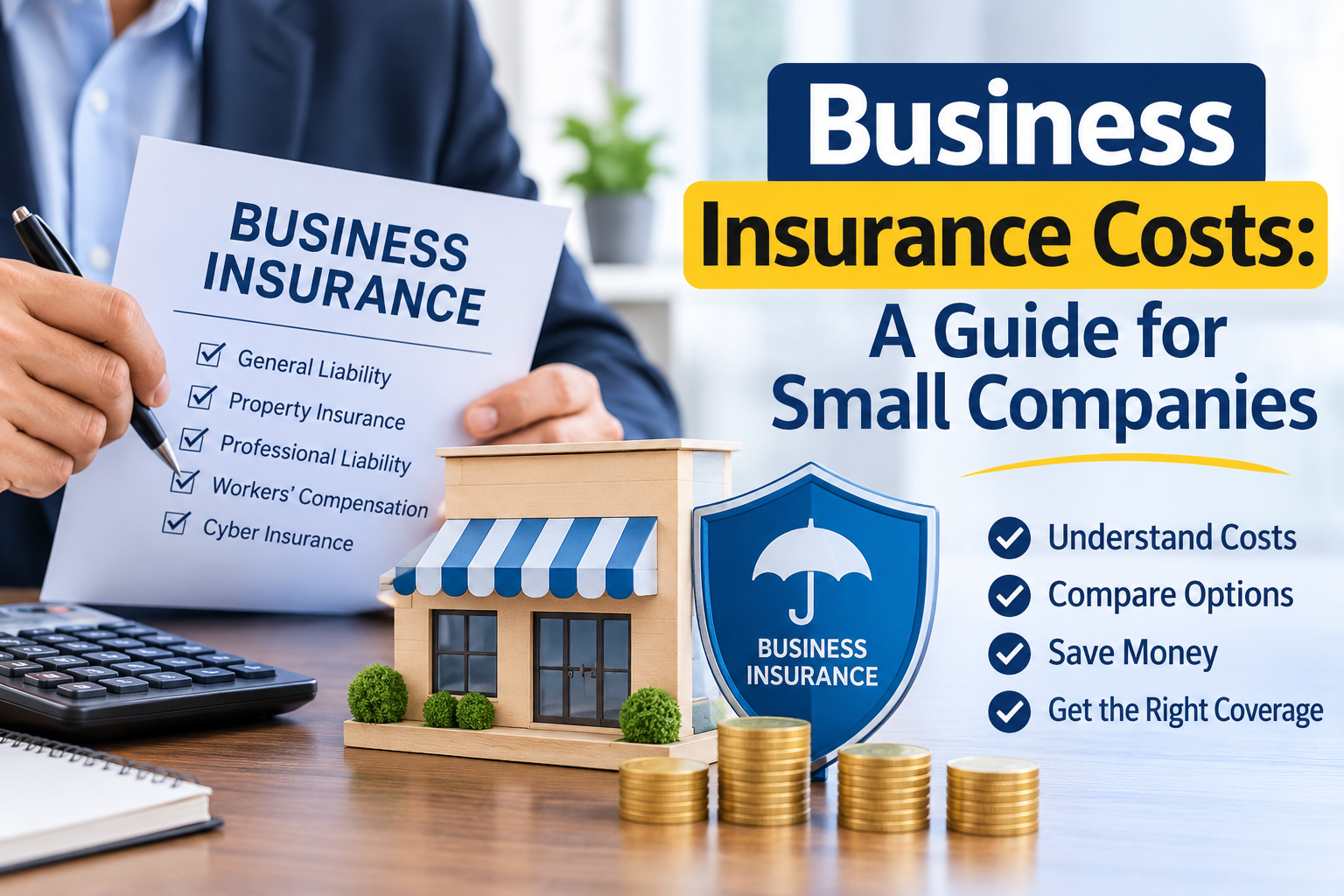
Common Types of Business Insurance for Small Companies
Not every small business needs the same policies. The right combination depends on the company’s activities, legal obligations, assets and potential financial exposure.
General Liability Insurance
General liability insurance can help protect a business against certain third-party claims involving bodily injury, property damage, and personal or advertising injury.
For example, if a customer slips inside a shop and suffers an injury, this coverage may help with eligible legal and compensation expenses, depending on the policy.
Professional Liability Insurance
Professional liability insurance is useful for businesses providing advice, consulting, design, or other professional services. It can cover certain claims involving negligence, errors, or omissions.
A freelance accountant, for instance, may face a claim if a client alleges that incorrect financial advice caused a loss.
Commercial Property Insurance
Commercial property insurance can protect eligible business buildings, equipment, furniture, and inventory against covered events.
A retail shop with expensive stock may need this protection to reduce the financial impact of certain fires, storms, or theft incidents.
Workers’ Compensation Insurance
Workers’ compensation provides benefits for eligible employees who experience work-related injuries or illnesses. Requirements and coverage arrangements vary by jurisdiction.
Business owners should check whether this insurance is legally required where they operate.
Cyber Insurance
Cyber insurance can help businesses respond to certain cyber incidents, including data breaches, ransomware attacks, and related recovery expenses. Coverage varies considerably between policies.
Small online businesses that store customer information may want to consider this protection.

How Much Do Business Insurance Costs?
There is no single price that applies to every small company. Insurance providers calculate premiums using business-specific information, coverage requirements, location, claims history and other underwriting factors. For this reason, Insurance Costs should be compared using actual quotes rather than general online estimates. A policy advertised at a low price may offer limited protection or higher deductibles.
For example, consider two small businesses:
- Online consulting agency: Its main concerns may include professional mistakes, client disputes and data security.
- Small retail store: It may need protection for inventory, customer injuries, business equipment and property damage.
Although both businesses are small, their coverage needs and insurance premiums can be very different. The National Association of Insurance Commissioners explains that a Business Owner’s Policy (BOP) can combine property, liability, and business interruption protection. Bundling suitable coverage may be less expensive than purchasing separate policies, although savings are not guaranteed.
How to Reduce Business Insurance Costs
Small companies do not always need to spend more to obtain suitable insurance protection. A few practical decisions can help manage premiums without leaving important risks uncovered.
Compare Multiple Insurance Quotes
One of the simplest ways to manage Insurance Costs is to request quotes from several licensed insurance providers. Compare the coverage limits, exclusions, deductibles and additional benefits rather than selecting a policy based only on its premium.
A useful comparison should include the total annual premium and any additional charges. This helps business owners understand the actual financial commitment.
Choose the Right Coverage
Buying unnecessary coverage can increase expenses, while purchasing too little protection can expose a company to serious financial losses. Review your business activities and identify the risks that could create the greatest financial problems.
For example, a home-based graphic designer may prioritize professional liability and equipment protection instead of paying for coverage designed for a large retail property. Matching policies to actual business needs can make Insurance Costs more manageable.
Consider a Business Owner’s Policy
A Business Owner’s Policy combines several types of protection into one package. It commonly includes general liability, commercial property, and business interruption coverage.
For eligible small companies, a BOP may simplify policy management and reduce overall Insurance Costs compared with buying similar coverage separately. However, businesses should check what is included because workers’ compensation, professional liability, and commercial auto coverage are not automatically part of every package.
Maintain a Good Risk Management Plan
Preventing accidents and reducing workplace risks can help a company avoid costly claims. Businesses can introduce employee safety training, maintain equipment, install security systems, and follow appropriate workplace procedures.
A good risk management plan may also help when discussing Insurance Costs with providers. Some insurers offer discounts for eligible safety measures, although availability varies.
Review Your Policies Annually
Business needs change over time. A company may hire employees, purchase equipment, expand its premises, or begin offering new services.
Reviewing your coverage annually helps ensure that your policy reflects these changes. It can also identify overlapping protection or unnecessary expenses that may increase Insurance Costs.
Risks and Benefits of Business Insurance
Business insurance offers important financial protection, but choosing the wrong policy can create problems.
Main benefits include:
- Financial protection against eligible third-party claims and covered property losses.
- Support with certain legal expenses and compensation payments.
- Protection for important business equipment and inventory.
- Help managing financial disruption after certain covered events.
- Greater confidence when working with customers, suppliers, and business partners.
However, insurance also has limitations. Premium payments add to operating expenses, and some policies contain exclusions, waiting periods, deductibles and coverage limits. A claim may be rejected if the incident falls outside the policy terms. Understanding these limitations is essential when comparing Insurance Costs and selecting a policy. The goal should be to balance affordable premiums with meaningful financial protection.
How to Choose Affordable Business Insurance
Before purchasing a policy, prepare basic information about your company. This may include annual revenue, employee numbers, business location, equipment value, industry activities, and previous insurance claims.
Next, identify which policies are legally required in your location. For example, workers’ compensation requirements vary between countries and jurisdictions. The Australian Government’s business guidance and the US Small Business Administration both explain that insurance obligations depend on business activities and local laws.
Ask insurance providers to explain their coverage limits, exclusions, deductibles and renewal conditions. You should also check whether business interruption, cyber incidents or professional mistakes require separate protection. When comparing Insurance Costs, consider the insurer’s reputation, claims support, financial stability and policy flexibility. The cheapest quote is not necessarily the best option. A suitable insurance plan should protect your most important business interests while keeping premiums within a realistic operating budget.

Frequently Asked Questions (FAQs)
Q1. How much does business insurance cost for a small company?
Business insurance premiums depend on the company’s industry, location, employees, claims history, and selected coverage. Small companies should request personalized quotes because Insurance Costs can vary considerably between providers.
Q2. What type of business insurance does a small company need?
Common options include general liability, commercial property, professional liability, workers’ compensation, and cyber insurance. The right combination depends on the company’s activities, assets, employees, and legal obligations.
Q3. Can I reduce business insurance costs?
Yes. Comparing multiple quotes, choosing suitable coverage limits, managing workplace risks, and reviewing policies annually can help control Insurance Costs without sacrificing essential protection.
Q4. Is business insurance legally required?
Some types of business insurance are legally required depending on the country, industry and number of employees. Workers’ compensation is one common example. Check local regulations before purchasing a policy.
Q5. Is a Business Owner’s Policy worth considering?
A Business Owner’s Policy can be useful for eligible small companies because it combines several common coverages into one package. However, business owners should compare its protection, exclusions and premiums with separate policies before deciding.
Final Thoughts
Understanding Insurance Costs is an important part of managing a small company’s finances. The right insurance policy can protect business assets, reduce the financial impact of certain unexpected events, and provide support when covered claims occur.
However, every company has different requirements. A freelancer, retail store, construction business, and online company should not automatically purchase the same insurance package. Business owners should evaluate their risks, compare multiple providers, and carefully review policy conditions before making a decision.
Rather than choosing the cheapest available option, focus on finding affordable protection that matches your business needs. With regular policy reviews and sensible risk management, small companies can manage Insurance Costs while building a more financially secure future.
2 thoughts on “Best Business Insurance Costs: A Guide for Small Companies”