
Introduction
Car insurance can feel confusing when you compare different types of coverage. Two common options are comprehensive and collision insurance. Both help protect your vehicle from unexpected damage, but they cover different situations. Understanding the difference can help you choose suitable protection and avoid paying for coverage that does not match your needs.
Comprehensive coverage generally protects your vehicle against certain unexpected events that do not involve a collision. These may include theft, vandalism, falling objects, fire, hail and other covered natural events. Collision coverage, on the other hand, generally helps pay for damage to your vehicle after an accident involving another vehicle or an object.
Choosing between comprehensive and collision insurance is not always an either-or decision. Many drivers carry both because they protect against different risks. However, your vehicle’s value, driving habits, location, budget and insurance requirements should all influence your decision. In this guide, we explain how both types of car insurance work, what they cover, how deductibles affect costs and how to decide which protection makes sense for your circumstances.

What Is Comprehensive Car Insurance?
Comprehensive car insurance is a type of optional vehicle coverage that helps pay for damage caused by certain events other than a collision. It is designed to protect against unexpected risks that can damage or destroy your vehicle even when you are not involved in a road accident.
For example, imagine parking your car outside during a severe storm. A falling tree branch damages the roof and windshield. If your policy includes comprehensive coverage and the incident is covered under its terms, your insurer may help pay for the repairs after you meet your deductible.
What Does Comprehensive Insurance Cover?
Although coverage varies between insurers and countries, common examples of events covered by comprehensive insurance include:
- Vehicle theft: Helps cover a stolen vehicle if it is not recovered, subject to policy conditions.
- Vandalism: May pay for intentional damage caused by another person.
- Fire damage: Covers qualifying damage caused by accidental fires.
- Weather damage: May protect against hail, storms, floods and other covered weather events.
- Falling objects: Can cover damage caused by tree branches, debris or other falling objects.
- Animal-related damage: May cover certain incidents involving animals, such as hitting a deer in markets where this protection is included.
It is important to understand that comprehensive coverage does not automatically protect against every possible loss. For example, mechanical breakdowns, normal wear and tear, maintenance problems and certain types of water damage may be excluded. Always read your policy documents to understand the covered events, exclusions and claim requirements.
What Is Collision Car Insurance?
Collision insurance helps pay for repairs to your vehicle when it is damaged in a covered collision. This may happen when you hit another car, collide with an object or lose control of your vehicle and crash. Unlike comprehensive coverage, collision insurance focuses on accident-related damage rather than events such as theft, fire or severe weather.
For example, imagine driving through a busy parking area when you accidentally hit a concrete barrier. Your vehicle’s front bumper and headlights are damaged. If you have collision coverage, your insurer may contribute towards the repair costs after applying your deductible and policy conditions.
What Does Collision Insurance Cover?
Collision insurance generally applies to situations such as:
- Accidents involving another vehicle: Helps cover damage to your car after a covered collision with another vehicle.
- Single-vehicle accidents: May cover damage if you hit a wall, fence, pole or another fixed object.
- Rollover accidents: Can help pay for vehicle damage after a covered rollover.
- Parking accidents: May cover damage caused when you accidentally hit another vehicle or object while parking.
Collision insurance generally does not pay for injuries to other people, damage to someone else’s property or medical expenses. Those protections usually fall under separate liability or medical coverage, depending on your policy and local insurance system.
Comprehensive vs. Collision Insurance: Key Differences
The main difference between these two coverage types is the kind of event that causes the damage.
Comprehensive coverage is generally intended for non-collision events, while collision coverage focuses on damage resulting from covered accidents involving your vehicle.
| Feature | Comprehensive | Collision |
|---|---|---|
| Main purpose | Non-collision damage | Accident-related damage |
| Vehicle theft | Generally covered | Not covered |
| Vandalism | Generally covered | Not covered |
| Hail and storm damage | Generally covered | Not covered |
| Hitting another vehicle | Not covered | Generally covered |
| Hitting a tree or wall | Not covered | Generally covered |
| Rollover accident | Not covered | Generally covered |
| Deductible | Usually applies | Usually applies |
These are general distinctions. Exact protection depends on your insurer, policy wording and country.
Can You Have Both Types of Coverage?
Yes. Drivers can often purchase both comprehensive and collision coverage under the same auto insurance policy. Having both provides broader protection because each covers different types of vehicle damage. For instance, comprehensive coverage may help after a hailstorm, while collision coverage may help after an accident at an intersection.
However, carrying both usually increases your insurance premium compared with purchasing only one. You should compare the additional cost with your vehicle’s value and the financial risk you want to manage.
How Do Deductibles Affect Comprehensive and Collision Insurance?
A deductible is the amount you agree to pay yourself before your insurance company pays an eligible claim. Both comprehensive and collision policies commonly include deductibles. For example, suppose your car suffers $2,000 in covered damage and your deductible is $500. Your insurer may pay $1,500, assuming the claim is approved and the vehicle’s coverage limits and valuation rules allow it.
The deductible you select can influence your insurance premium. A higher deductible generally reduces the premium because you agree to pay more when making a claim. However, it also means you need more money available if an unexpected incident happens.
Choosing the Right Deductible
Consider your savings and financial situation before choosing a deductible. A lower deductible may make sense if paying a large repair bill would be difficult. A higher deductible may suit someone with enough emergency savings to handle smaller losses.
You should also compare the deductibles for both coverage types. Some insurers allow different amounts for comprehensive and collision protection.
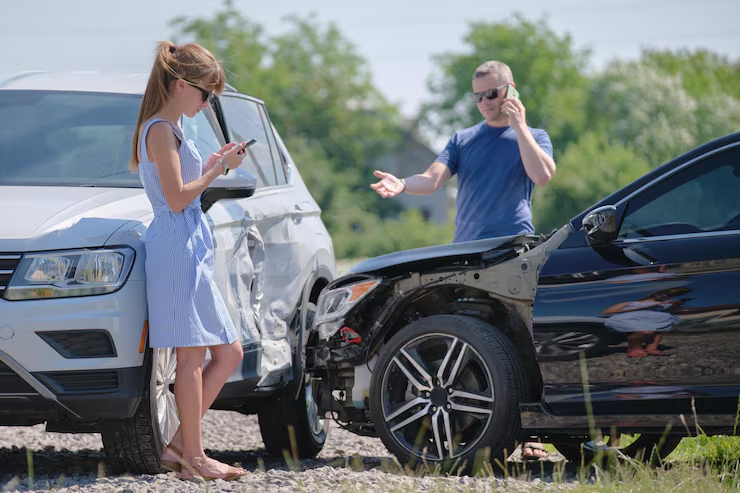
Comprehensive vs. Collision: Which Coverage Do You Need?
The right choice depends on your vehicle, financial circumstances and the risks you face. There is no single option that works for every driver.
When Comprehensive Coverage Makes Sense
Comprehensive coverage may be particularly useful if you live in an area where vehicle theft, severe weather, flooding or vandalism is a concern. It may also be worth considering if you park your vehicle outdoors or own a car that would be expensive to replace. Even careful drivers can experience unexpected damage that has nothing to do with their driving habits.
For example, imagine purchasing a relatively new vehicle and parking it near a large tree. A storm causes a heavy branch to fall on the car. Without suitable comprehensive protection, you may need to pay for the repairs yourself.
When Collision Coverage Makes Sense
Collision coverage may be valuable if you regularly drive in busy traffic, travel long distances or use your vehicle in areas with challenging road conditions. It can also provide financial protection if you accidentally hit another vehicle or damage your car while parking.
For example, suppose you lose control on a wet road and collide with a roadside barrier. Your collision policy may help cover the repair costs after the deductible is applied.
Should You Purchase Both?
For many drivers with newer or valuable vehicles, carrying both types of coverage can provide more complete financial protection. However, drivers with older vehicles should compare the cost of coverage against the amount they could receive after a covered loss.
Consider a car worth $4,000. If you pay substantial annual premiums for both types of protection and have a high deductible, the potential financial benefit may be limited. This does not automatically mean you should cancel either policy. Instead, compare the premium, deductible, vehicle value and your ability to replace the car.
Factors That Affect Comprehensive and Collision Insurance Costs
Insurance premiums are not the same for every driver. Insurance companies consider several factors when calculating the cost of vehicle protection.
Vehicle value and model: Expensive vehicles and cars with costly replacement parts may have higher insurance costs because repairs or replacement can be more expensive.
Driving history: Previous accidents, traffic violations and claims history may influence the price offered by an insurer.
Location: Areas with higher theft rates, traffic congestion, accident frequency or weather-related risks may have different insurance prices.
Coverage limits and deductibles: Your selected protection and the amount you agree to pay towards a claim can influence your premium.
Annual mileage: Some insurers consider how frequently you drive when assessing risk. Drivers who spend more time on the road may face different pricing.
The National Association of Insurance Commissioners (NAIC) explains that factors such as location, driving experience, vehicle type, claims history and selected deductibles can influence auto insurance premiums.
Benefits and Limitations of Both Coverage Types
Understanding the advantages and limitations of each option can help you make a more informed decision.
Benefits of comprehensive coverage: It protects against several unexpected non-collision events, including qualifying theft, fire, weather damage and vandalism. It can reduce the financial pressure of replacing or repairing a damaged vehicle.
Limitations of comprehensive coverage: It does not cover every possible type of damage. Mechanical problems, regular maintenance and excluded events may remain your responsibility. You must also consider the deductible.
Benefits of collision coverage: It can help pay for repairs after covered accidents, including single-vehicle accidents. It is particularly useful when repairing or replacing your vehicle would create a significant financial burden.
Limitations of collision coverage: It does not normally cover theft, vandalism or weather-related damage. Premiums can also be relatively expensive, particularly for some vehicles and drivers.
Neither type of coverage replaces liability insurance. Liability protection generally addresses injuries or property damage you cause to other people, subject to the policy terms and local requirements.
How to Choose the Right Car Insurance Policy
Before purchasing a policy, compare several insurance providers rather than selecting the first affordable quotation. Start by checking what each policy includes. Review the covered events, exclusions, deductibles, claim limits and repair conditions. Two policies may have similar prices but offer different levels of protection. Next, consider your vehicle’s current market value. Paying for extensive coverage on an older vehicle may not always be financially worthwhile. However, if you depend on that vehicle for work or daily responsibilities, replacing it could still be difficult.
You should also check if your lender or leasing company requires both comprehensive and collision coverage. In some markets, lenders require these protections until the loan is repaid. The NAIC confirms that lender requirements can apply even when these coverages are not legally mandatory for every driver. Finally, read the policy carefully before signing. Ask your insurer about unclear exclusions, claim procedures, repair options and whether additional protections are available.
Important Considerations for International Drivers
Insurance terminology and coverage arrangements differ between countries. In the United States, comprehensive and collision are commonly offered as separate optional coverages. In the United Kingdom, for example, drivers often compare third-party, third-party fire and theft, and fully comprehensive policies.
A fully comprehensive policy is not necessarily identical to the combination of comprehensive and collision coverage described in this guide. In other countries, insurers may use different names, coverage structures and legal requirements. Always check your local insurance regulations and the actual policy wording rather than relying on terminology alone.

Frequently Asked Questions (FAQs)
Q1. What is the main difference between comprehensive and collision insurance?
Comprehensive insurance generally covers non-collision events such as theft, fire, vandalism and severe weather. Collision insurance covers damage to your vehicle resulting from covered accidents involving another vehicle or object.
Q2. Does comprehensive insurance cover accidents?
Generally, no. Comprehensive coverage is designed for damage caused by events other than collisions. If you damage your vehicle by hitting another car, wall or object, collision coverage may apply instead.
Q3. Is comprehensive car insurance worth buying?
It can be worthwhile if your vehicle has significant value or you face risks such as theft, flooding, storms or vandalism. Consider the premium, deductible and potential replacement costs before deciding.
Q4. Can I have comprehensive insurance without collision coverage?
In many insurance markets, yes. These are generally separate coverage options. However, your lender or leasing company may require both if you are financing or leasing a vehicle.
Q5. Does comprehensive insurance have a deductible?
Yes, most comprehensive policies have a deductible. You pay this amount towards an approved claim before your insurer contributes to the remaining eligible costs. Some policies offer different deductible options, including special arrangements for glass damage.
Final Thoughts
Understanding the difference between comprehensive and collision insurance can help you make better decisions about protecting your vehicle. Although both coverage types are designed to reduce financial risks, they protect against different situations. Comprehensive coverage generally helps with unexpected non-collision events such as theft, vandalism, fire and severe weather. Collision coverage focuses on damage caused by covered vehicle accidents.
For drivers with newer or valuable vehicles, having both options may provide useful protection. However, owners of older vehicles should carefully compare premiums, deductibles and potential claim payments before purchasing additional coverage.
The best approach is to evaluate your vehicle’s value, driving habits, location and financial situation. Compare multiple policies, understand their exclusions and choose protection that fits your actual needs. At MoneySavePath.com, our goal is to help readers understand financial decisions and make more informed choices about their money and insurance protection.
1 thought on “Best Comprehensive vs. Collision Car Insurance Explained”