Introduction
Managing money becomes easier when you know exactly how much you earn, spend, and save each month. However, everyday purchases, household bills, subscriptions, and unexpected expenses can make it difficult to understand where your money goes. A Budget Planner can help you organize your finances, set realistic spending limits, and make better decisions without giving up everything you enjoy.
Whether you receive a regular salary, work as a freelancer, run a small business or manage a household, planning your monthly finances can help you stay organized. You do not need expensive software or advanced financial knowledge to get started. A notebook, spreadsheet or budgeting app can provide a clear picture of your money.
In this guide, you will learn how to create a practical monthly plan, track every dollar, manage irregular expenses, and build better financial habits.

What Is a Monthly Budget Planner?
A monthly Budget Planner is a tool that helps you record your income and expenses over a specific period. It allows you to compare how much money comes in with how much goes out. The goal is to make sure your spending supports your needs, financial responsibilities and future goals. You can use a paper worksheet, spreadsheet or digital budgeting tool. The best option is one that you can update consistently and understand easily.
For example, someone earning $3,000 per month might spend $1,100 on housing, $400 on groceries, $250 on transportation, and $350 on other bills. Recording these expenses makes it easier to identify how much remains for savings, debt payments and personal spending.
A reliable plan should reflect your actual financial situation rather than an ideal version of it. Consumer.gov recommends listing income and expenses, subtracting expenses from income, and using the result to guide spending decisions.
Why You Need a Budget Planner
A clear financial plan can help you understand your spending patterns and avoid running out of money before your next payday. It also makes financial goals more manageable because you can assign money to specific purposes. For example, if you want to build an emergency fund, you can include a monthly savings contribution in your plan. If you are paying off debt, you can track payments and see how much money remains for other priorities.
Another benefit is identifying unnecessary expenses. You might notice that several subscriptions cost more than expected or that frequent takeaway meals are affecting your savings goals. Small changes can make a difference over time.
However, budgeting is not a guarantee of financial security. An unexpected medical bill, job loss, or increase in living costs can disrupt even a well-prepared plan. The purpose is to improve your awareness and help you respond more confidently when circumstances change.
How to Create a Monthly Budget Planner
Calculate Your Monthly Income
Start by recording all the money you expect to receive during the month. Include your take-home salary, freelance payments, business income, rental income and other regular sources. If you have a salaried job, use the amount you receive after taxes and payroll deductions. If you work independently, calculate your expected income after setting aside money for applicable taxes and business expenses.
People with irregular earnings should be especially careful. Instead of planning around your best month, consider using a conservative estimate based on previous earnings. MoneyHelper recommends budget planner around your lowest monthly income when earnings fluctuate so essential expenses remain manageable.
List Your Fixed and Variable Expenses
Next, write down your expected spending. Fixed expenses are payments that usually remain similar each month, such as rent, loan installments, insurance premiums, and internet bills. Variable expenses change depending on your habits or circumstances. These may include groceries, fuel, electricity, clothing, entertainment, and restaurant meals.
Review bank statements, receipts, bills, and payment records to estimate realistic amounts. Do not rely entirely on memory because small purchases can easily be overlooked. Include less frequent costs as well. Annual insurance payments, school supplies, vehicle maintenance, gifts and holiday travel can disrupt a monthly plan if you forget to account for them.
Set Spending Limits for Each Category
Once you understand your income and expenses, decide how much you can reasonably spend in each category. Begin with essential costs, followed by debt payments, savings, and discretionary spending. You may have heard of the 50/30/20 budgeting guideline. It suggests allocating approximately 50% of after-tax income to needs, 30% to wants, and 20% to savings and debt repayment.
For someone earning $3,000 after tax, that would mean $1,500 for needs, $900 for wants, and $600 for savings and debt repayment. These percentages are only a starting point. They may not work for someone facing high housing costs, supporting family members, or paying substantial debt. Adjust the amounts to match your circumstances rather than forcing your finances into a fixed formula.
Include Savings and Emergency Expenses
Treat savings as an important part of your plan instead of waiting to see whether money remains at the end of the month. Choose a realistic amount and schedule the transfer around payday if your income and bills allow it. An emergency fund can help cover unexpected expenses without relying immediately on credit cards or loans. Start with an achievable target, such as saving enough to cover one smaller unexpected bill and increase it gradually.
Your longer-term goal may be to cover several months of essential expenses. The appropriate amount depends on your job stability, household responsibilities, insurance coverage and access to other resources. A useful Budget Planner should also include planned irregular costs. If you expect to spend $600 on annual insurance in six months, setting aside $100 each month can make that bill easier to manage.
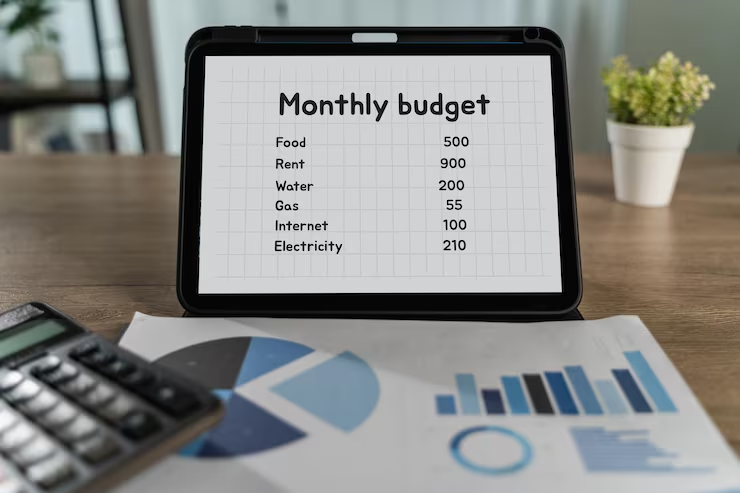
Practical Example: A Monthly Budget Planner
Consider a household with $3,000 in monthly take-home income. The following example shows how a simple plan could work.
| Category | Monthly Amount |
|---|---|
| Housing | $1,000 |
| Utilities and phone | $200 |
| Groceries | $350 |
| Transportation | $200 |
| Insurance and healthcare | $150 |
| Debt payments | $250 |
| Savings | $300 |
| Personal spending | $250 |
| Irregular expense fund | $150 |
| Other essentials | $150 |
| Total | $3,000 |
In this example, the household assigns every dollar of its monthly income to a planned purpose. This does not mean every expense will be exactly as expected. It means the household has a starting plan and can adjust it when circumstances change.
If transportation costs increase by $50, the household could reduce discretionary spending or adjust another flexible category. If an unexpected expense cannot be covered, it may need to use available savings or revise the plan rather than borrow automatically.
How to Track Every Dollar Throughout the Month
Record Transactions Regularly
A plan only works when you compare it with what actually happens. Record purchases, bill payments, transfers, and cash spending throughout the month. You can update a spreadsheet daily or review your transactions every few days.
A Budget Planner becomes more useful when you compare planned amounts with actual spending. If you allocated $350 for groceries but spent $390, record the difference and consider why it happened.
Review Your Bank Statements
Check your bank statements and payment history to identify forgotten subscriptions, duplicate charges, bank fees, or purchases that do not match your records. If you notice an unfamiliar transaction, contact your financial institution through its official channels.
Automatic transaction tracking can save time, but it is not always perfect. Cash purchases may be missed, and transactions can appear under unfamiliar merchant names. Review the records rather than assuming the software has captured everything.
Adjust Your Plan When Necessary
Your spending limits should reflect real life. A higher electricity bill, a change in income or an unexpected family expense may require adjustments. Review your Budget Planner at the end of each month. Identify categories where you consistently overspend and decide whether to reduce costs or increase the allocated amount by adjusting another category.
The goal is not to make every month identical. It is to understand your financial choices and improve your plan over time.
Choosing the Right Budget Planner Tool
A notebook works well if you prefer writing down transactions manually. A spreadsheet offers more flexibility because you can use formulas to calculate totals, compare categories and track savings progress.
Budget planner apps may provide automatic transaction imports, spending alerts, and visual reports. However, some services charge fees, collect personal financial information, or require access to connected accounts. Review their privacy policies, security features, subscription costs, and account permissions before using them.
You can also try the free online Budget Planner from Money Helper. It helps users organize income and spending and highlights possible areas for improvement. Although the service is designed for the UK, its general budgeting principles can be useful elsewhere. Choose a tool based on your needs, comfort level and privacy preferences. You do not need multiple apps if one simple system already works well.
Common Budgeting Mistakes to Avoid
One common mistake is underestimating everyday expenses. Small purchases may seem unimportant individually, but their combined cost can affect your monthly balance. Review actual transactions instead of relying on rough guesses. Another mistake is creating spending limits that are too restrictive. If your plan leaves no room for occasional entertainment or personal purchases, it may become difficult to maintain.
A realistic plan should account for reasonable enjoyment as well as essential bills and savings. Avoid ignoring irregular expenses or treating savings as whatever remains at the end of the month. Plan for predictable annual costs and set achievable savings targets.
Finally, do not treat one difficult month as a failure. Review what changed, adjust your estimates, and continue. Consistency and honest recordkeeping are more useful than pursuing a perfect budget planner.
Frequently Asked Questions
Q1. What Is the Best Monthly Budget Planner?
The best option is one you can use consistently. A notebook or spreadsheet may be enough for simple finances, while an app can help people who want automatic transaction tracking. Compare cost, privacy, ease of use and available features before choosing.
Q2. How Often Should I Update My Budget Planner?
Record spending regularly and review your overall plan at least once a month. If your income changes frequently or you are working through financial difficulties, reviewing it weekly may help you identify problems earlier.
Q3. Can I Use a Budget Planner With Irregular Income?
Yes. Estimate income conservatively using previous earnings and prioritize essential expenses. When you earn more than expected, consider directing the extra money toward savings, upcoming bills or debt repayment rather than immediately increasing spending.
Q4. Should Savings Be Included in a Monthly Budget Planner?
Yes. Include savings as a planned category so you can work toward emergency reserves and other goals. Choose an amount you can realistically afford after accounting for essential expenses and required debt payments.
Q5. What Should I Do If My Expenses Exceed My Income?
Review your spending and identify costs you can reduce without risking essential needs. Check whether bills can be renegotiated, look for available support, and contact creditors early if you cannot make required payments. If the shortfall continues, consider reputable nonprofit or government-backed debt guidance where available.
Final Thoughts
A practical Budget Planner can help you understand where your money goes and make better decisions about spending, saving and debt. The most effective approach is to start with accurate income figures, record realistic expenses, prepare for irregular bills, and review your progress regularly.
You do not need to change every financial habit at once. Begin with a simple monthly plan, make adjustments when needed and focus on steady improvement. Over time, consistent budget planner can give you a clearer view of your finances and help you work toward your personal goals.
3 thoughts on “Best Monthly Budget Planner: How to Track Every Dollar”